Abercrombie & Fitch
- 4.8
- Rating
- 1.00M
- Installs
- Free
- Price

 Analysis by App-foxy
I approached Abercrombie & Fitch as a shopping app rather than simply a mobile version of a clothing website. That distinction matters. The useful question is not whether it can display apparel, but whether it makes browsing, comparing, and returning to a purchase feel easier than using a mobile browser. In my experience, it works best when I already have a style direction in mind and want a focused way to explore the brand’s clothing, rather than when I am casually searching across many retailers.
The app is free, belongs to the Shopping category, and is developed by Abercrombie & Fitch Co. It is aimed at an Everyone audience, so the interface is suitable for general shoppers. Its current version is 10.2.0, and it requires iOS 11 or later. That makes it a practical option for people using a reasonably current Apple device, although anyone on an older system should check compatibility before planning a shopping session.
How I use the app for a normal shopping trip
My baseline workflow starts with a specific goal: finding an outfit for work, replacing a worn pair of jeans, or checking a seasonal collection. Opening the app with that intention is more effective than endlessly scrolling. The brand’s assortment can feel much easier to evaluate when I decide first whether I am looking for a single item, a complete look, or inspiration for a particular occasion.
You May Also Like

 Blood Strike: 2.5 Anniversary
Blood Strike’s Loadouts Turn Every Drop Into a Tactical Gamble
A close look at Blood Strike’s custom loadouts: how fast access to signature weapons reshapes its battle royale rhythm, rewards preparation, and narrows the gap between fights.

 Pandora - Music & Podcasts
Pandora’s Music Is Easy to Start, but Harder to Recover
Pandora’s strength is its low-effort path from a seed to a station. Its weak spot is how much confidence it asks you to place in connection, setup, and quiet recovery.

 8 Ball Pool
 Is Built on Rivalries, Rematches, and Routine
A close look at the rivalries, rematches, shared routines, and unanswered safety questions that turn a quick pool match into a persistent mobile community.

 Samsung Music
’s Quiet Strength Is Playing What You Already Own
Its reach comes less from spectacle than from dependable access to a personal library. That simplicity is both the app’s strongest retention engine and its ceiling.

 AccuWeather: Weather Radar
AccuWeather Review: A Quick, Clear Forecast for Everyday Decisions
For everyday plans, the best forecast is the one you can understand quickly. AccuWeather makes rain timing, radar, and local conditions easy to act on, with a few trade-offs.

 Hill Climb Racing
Why Hill Climb Racing Still Turns Crashes Into One More Run
A tiny car, a bumpy hill and one more upgrade: Hill Climb Racing keeps resurfacing because its simple chaos makes every near-miss feel personal.
More From Our News Desk



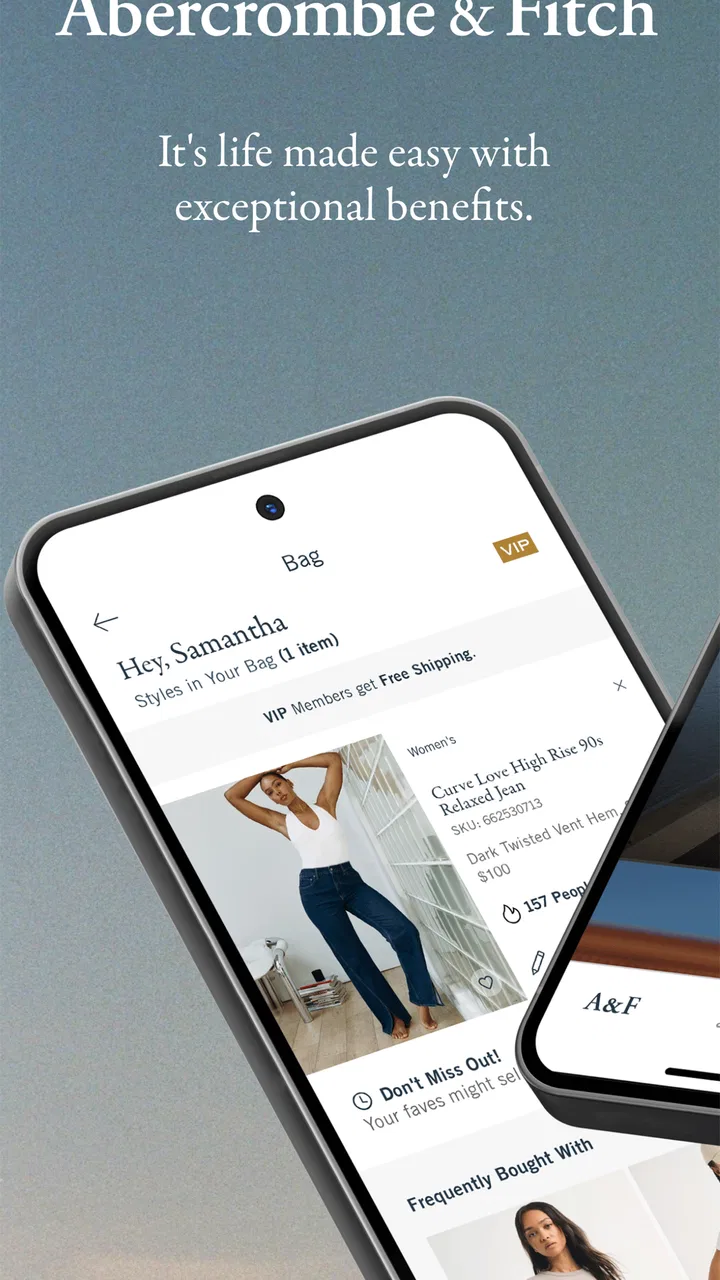
I usually begin by browsing the main product areas and then narrow my attention to the details that affect a real purchase. A product image may catch my eye, but the practical decision comes from checking the available options, reading the item description, and considering whether the piece fits something I already own. This prevents the common mistake of treating an attractive photograph as enough evidence that an item will work in everyday use.
One helpful habit is to separate discovery from decision-making. During the first pass, I save mental notes about colors, cuts, and materials that appeal to me. On the second pass, I compare those candidates more critically. This is especially useful with fashion apps because several items can look similar in a catalog while serving very different purposes in a wardrobe.
The app is particularly convenient when I am already familiar with the brand’s general style. Returning shoppers can move more quickly because they know which silhouettes or categories are likely to suit them. New customers may need more patience, since a single retailer’s presentation naturally reflects its own aesthetic rather than offering the broad contrast found in a marketplace app.
For a realistic everyday example, imagine that I need a casual outfit for a weekend trip. I would first look for a dependable base item, such as trousers or denim, then check tops that can work with it, and finally consider an outer layer or accessory only if it adds something useful. I would not treat every suggested combination as a complete answer. Instead, I would use the app to reduce the search and then judge the pieces against my actual luggage space, existing shoes, and plans.
That approach highlights one of the app’s main strengths: it keeps the shopping experience centered on Abercrombie & Fitch’s own range. Compared with a general marketplace, there is less noise from unrelated sellers and fewer radically different brand styles competing for attention. The trade-off is obvious too. If I want to compare the same type of garment across many labels, a large retail marketplace or a browser search remains more efficient.
What I check before treating an item as a serious choice
I pay attention to the product page as a decision tool, not just a gallery. I look for the information that can prevent an avoidable return: the garment’s cut, the options offered, the care guidance, and any wording that suggests how the item is intended to fit or be worn. I also consider whether the displayed styling is doing too much of the work. A shirt may look versatile in a carefully arranged outfit but be less useful when separated from the rest of the presentation.
A second practical check is color consistency. On a phone screen, shades can appear different depending on brightness and display settings. If I am trying to match an item with clothing I already own, I treat the image as a guide rather than a guarantee and favor versatile colors when an exact match matters.
I also avoid adding several uncertain items simply to justify opening the app. A better workflow is to identify one likely purchase, then add alternatives only when they solve a clear problem, such as a different cut or a more practical color. This keeps the final choice manageable and makes the checkout stage less impulsive.
Settings, account habits, and the rewards angle
The most important account-related feature is the A&F Club, which offers exclusive rewards. I see it as a reason to create a repeat-shopping routine, not as a reason to sign up automatically. If I shop from this brand regularly, joining can make the app more relevant because my activity and future purchases are connected to the retailer’s loyalty experience. If I only want a one-time item, the extra account step may feel less worthwhile.
Before using any shopping app repeatedly, I check the settings that affect the way I interact with it. On this one, I would review notification preferences and decide whether promotional reminders are useful or distracting. A shopper who wants alerts about brand activity may prefer to leave relevant notifications enabled, while someone who already checks the app deliberately may want a quieter experience.
I also make sure the account details used for shopping are current. A saved address or payment preference can make repeat purchases faster, but convenience should not replace a final review. Before confirming an order, I would recheck the selected size, color, quantity, and delivery information rather than relying on a previous purchase pattern.
Another setting worth considering is the device’s general display behavior. Fashion photography depends heavily on color and contrast, so a very dim screen or an unusual display mode can make comparison harder. I do not treat the phone’s screen as a measuring instrument, but I do try to view products under normal brightness when deciding between similar shades.
The A&F Club also changes how I think about repeat visits. Instead of opening the app whenever I feel bored and browsing without a plan, I would use it around a genuine wardrobe need or a planned purchase. That habit makes rewards more meaningful and reduces the temptation to buy something merely because the app makes discovery easy.
There is a useful distinction between the app being free and shopping being inexpensive. The download costs nothing, but the clothing still needs to fit my budget and wardrobe. I appreciate that the app removes an access barrier, yet I would not interpret the free price as a reason to purchase more often.
When the app is better than a browser
For a single visit, the difference between the app and a mobile browser may be modest. A browser can be preferable when I am comparing several retailers, sharing a product page through a broader research process, or trying to keep my shopping session separate from an account. The app becomes more useful when I expect to return to the same brand, want the A&F Club experience close at hand, or prefer a dedicated shopping environment.
I would recommend the app more confidently to someone who buys Abercrombie & Fitch clothing more than once. That person can build a repeatable routine around browsing, checking options, and using the loyalty program. For a shopper who rarely visits the brand, a browser may be enough and avoids adding another dedicated app to the phone.
Faster patterns that make browsing less tiring
Experienced use is mostly about reducing indecision. My first shortcut is to define a maximum number of candidates before comparing them closely. If I keep every attractive item in consideration, the app becomes a source of choice overload. Limiting the shortlist forces me to ask which piece solves the original problem best.
My second shortcut is to search by wardrobe role rather than by mood. “Something nice” is vague, while “a top that works with dark trousers” gives me a clear test. This approach helps me judge products against an outfit I will actually wear instead of against an idealized image.
A third useful pattern is to pause before checkout and reconstruct the outfit from memory. If I cannot explain what I will wear with the item, it may be an impulse purchase. This is particularly valuable for distinctive colors or trend-led pieces that look compelling alone but have limited use in a small wardrobe.
I also compare similar items by asking one concrete question at a time. Which one is easier to wear? Which one fills a gap? Which one is more suitable for the weather or setting I have in mind? A long list of vague preferences creates confusion, while a short sequence of practical tests produces a decision.
For repeat shoppers, I would keep a simple personal note outside the app with the styles, cuts, or sizes that have worked before. I would not assume that one successful purchase makes every future item identical, but past experience can make the next visit faster. This is a good example of a habit that improves the app without pretending it contains a special hidden tool.
Another efficient pattern is to browse when I have enough time to finish the decision. Starting a purchase during a commute or just before an appointment encourages rushed choices. A calm session lets me inspect details, reconsider whether the item fits my wardrobe, and use the loyalty account deliberately rather than treating checkout as an automatic ending.
The app’s scale is also worth putting into perspective. It has passed one million installs, and its average rating is 4.8 from around twenty-four thousand ratings. Those figures suggest that many shoppers find the experience useful, but they do not remove the personal question of whether a brand-specific shopping app suits my habits. A high average cannot compensate for a poor fit between the app and the way I shop.
Where the experience can slow me down
The main friction is not necessarily technical; it is the amount of judgment fashion shopping still requires. An attractive interface can make products feel easier to choose than they really are. I still need to think about fit, fabric, color, occasion, and how often I will wear the item. The app can organize the search, but it cannot make those personal decisions for me.
Brand focus can also be a limitation. The experience is streamlined because it is not trying to represent every clothing label, but that same focus means I cannot use it as a neutral place to compare quality, pricing, or cuts across the wider market. When value comparison is my priority, I switch to a broader retailer or use the browser to research alternatives.
Another possible slowdown comes from browsing without a clear category or purpose. The visual nature of apparel encourages extended scrolling, and the convenience of a dedicated app can make that behavior feel harmless. I get better results when I set a goal before opening it and stop once that goal is met.
Advanced limits and who should choose something else
I would not choose this app as my primary shopping tool if I need a multi-brand wardrobe search. A marketplace is better for comparing similar garments from different companies, checking a wider range of price points, or combining unrelated purchases in one session. The Abercrombie & Fitch app is strongest when the brand itself is part of the decision.
I would also hesitate to recommend it to someone who dislikes loyalty programs or does not want a brand-specific account relationship. The A&F Club is a meaningful part of the app’s appeal, but not every shopper wants rewards to influence where they browse. A mobile browser can provide a more occasional, less committed way to look at the collection.
Shoppers with older Apple devices should pay attention to the operating-system requirement. The app needs iOS 11 or later, so compatibility is a practical first check rather than a minor technical detail. If the phone cannot run that system, the app is not the right route and a browser-based alternative may be more realistic.
Parents and younger users may also appreciate that the content rating is Everyone, but that label does not replace normal shopping judgment. Clothing choices, account use, and purchases still need to match the household’s preferences and budget. The rating describes general suitability, not whether every item is appropriate for every individual.
I would not use the app as a substitute for understanding fit. Even a well-presented product page cannot account for every body shape or personal preference. If sizing has been difficult for me with this brand, I would make a cautious first purchase, pay close attention to the available item information, and avoid building a large order around assumptions from one garment.
Finally, the current version, 10.2.0, tells me which release I am evaluating, but the quality of a shopping session still depends on practical conditions such as device compatibility, connection quality, and how carefully I review the order. I do not judge the app solely by its version number. I judge whether it helps me make a better purchase than I would have made through a less focused route.
My verdict after building a repeatable routine
After using it with a deliberate workflow, I see Abercrombie & Fitch as a focused companion for people who already like the brand or expect to shop from it repeatedly. Its strongest qualities are concentration, convenience, and the connection to A&F Club rewards. It is free to install, easy to approach, and supported by a large user base, with more than two thousand written reviews contributing to the overall picture.
My recommendation comes with a condition: use it as a decision aid, not as an excuse to browse endlessly. Start with a real wardrobe need, inspect the item beyond its main image, compare a small shortlist, and check the final choices against clothes you already own. That routine makes the app feel purposeful and helps control the impulse that visual shopping can create.
For a loyal Abercrombie & Fitch customer, I think the dedicated app is more convenient than repeatedly opening a browser, especially when the A&F Club matters. For a one-time visitor or a shopper who wants broad market comparison, the usual browser or a multi-brand shopping app is likely the better fit.
My bottom line is simple: this is a good brand-specific shopping app when focused browsing and repeat purchases are more important to me than comparing every possible retailer. I would install it for a planned wardrobe update, use the loyalty features thoughtfully, and keep my expectations realistic about what an app can solve. It can make finding the right item smoother, but the final quality of the purchase still comes from my own judgment.
FAQs for Abercrombie & Fitch
01What is the Abercrombie & Fitch app used for?
The Abercrombie & Fitch app is a mobile shopping platform for browsing and purchasing clothing, accessories, and other fashion products from the brand. During testing, it provided access to product categories, item details, size information, customer reviews where available, promotions, and account features. It is designed for shoppers who want to explore the latest collections and manage purchases directly from an Android or iOS device.
02Can I place and track orders through the Abercrombie & Fitch app?
Yes, the app generally allows users to add products to a shopping bag, complete checkout, and review order information. After placing an order, customers can typically use their account or order details to check shipping progress and delivery updates. Available tracking information may depend on the shipping method and carrier, so updates may not appear immediately after an order is submitted.
03Does the Abercrombie & Fitch app show accurate sizes and product availability?
The app provides product descriptions, available colors, size options, and fit information to help shoppers choose items before ordering. Stock levels can change quickly, particularly for popular releases or sale products, so an item shown as available may become unavailable during checkout. It is a good idea to review the size guide, fit notes, and return policy before confirming a purchase.
04Are returns and exchanges available through the Abercrombie & Fitch app?
Returns and exchanges are generally supported for eligible purchases, but the exact conditions depend on the product, purchase location, order status, and current company policy. The app may provide access to order information and return instructions, while some returns can require shipping the item back or visiting an approved store. Always check the latest policy for deadlines, exclusions, tags, and refund details.
05Is the Abercrombie & Fitch app free and safe to download?
The Abercrombie & Fitch app is typically free to download from the official Google Play Store or Apple App Store. The app itself does not usually require a purchase simply to browse products, although you may need an account or payment information to complete certain shopping actions. For safety, download it only from the verified publisher, review requested permissions, and keep your device and app updated.
Pros
- Clean
- modern interface makes browsing collections quick and enjoyable.
- Personalized recommendations help discover new styles and seasonal items.
- Wish-list features make it easy to save products for later.
- Order tracking keeps delivery updates accessible in one place.
- Frequent promotions can provide good value on selected clothing and accessories.
Cons
- Some items sell out quickly
- especially during popular promotions.
- Product availability and sizing may vary by region.
- Returns can be less convenient for shoppers without nearby stores.
- The app may feel slow when loading high-resolution product images.
- Push notifications can become excessive during sales campaigns.

Abercrombie & Fitch
Gallery